
There’s a familiar mythology attached to artists who return to music after decades away. The narrative usually demands a comeback story, complete with redemption arcs and triumphant rediscovery. REVERIE … FROM THEN TILL NOW resists that framing. Michellar’s album doesn’t sound like someone scrambling to reclaim lost time; it sounds like the work of someone who lived fully outside of music and came back with perspective, patience, and intent.
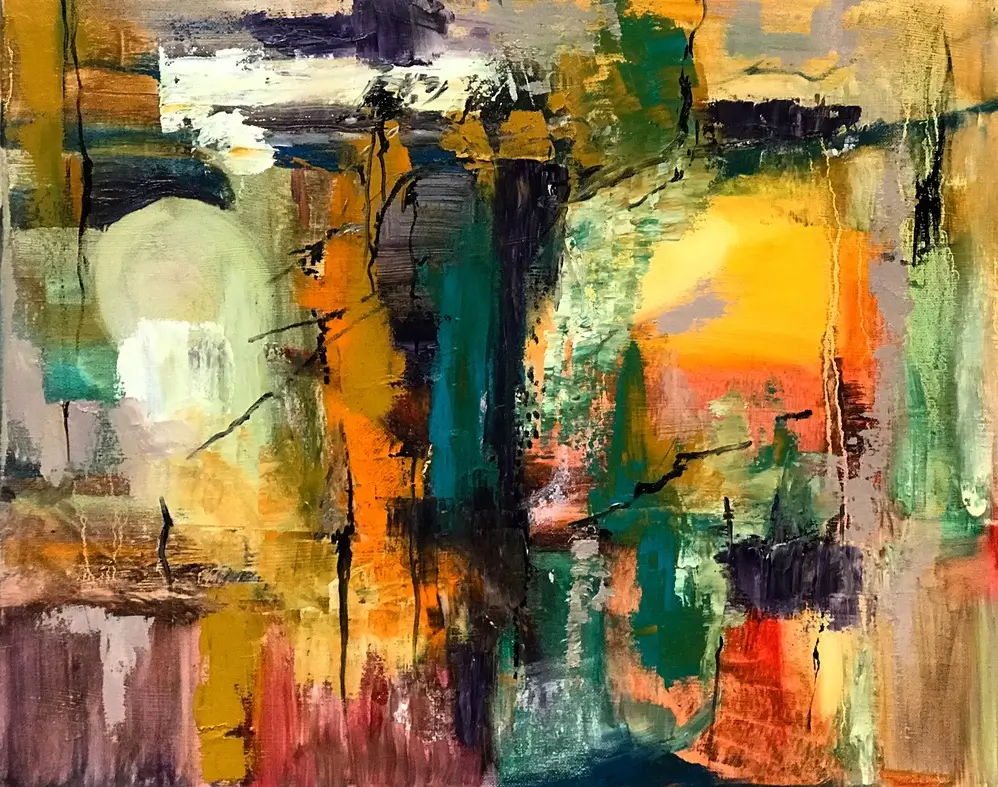
Michellar’s relationship with songwriting began early, shaped by the folk-rich environment of her youth. Artists like Peter, Paul and Mary, James Taylor, and Carole King provided an early blueprint; songs built on emotional clarity rather than spectacle. That foundation lingered even through a forty-year hiatus, during which Michellar focused on building a successful landscape design business. When she returned to songwriting in earnest following her acceptance into the de Young Museum Open Call Exhibition in 2023, it wasn’t framed as a restart. It was a continuation.

The flurry of work that followed with twenty-two singles released in nine months introduced listeners to Michellar’s core artistic language. Those releases established her as an artist deeply invested in atmosphere, emotional restraint, and narrative coherence. Across that run, she consistently favored mood over momentum, allowing songs to unfold rather than announce themselves. Her work suggested an aversion to trend-chasing and a preference for lived-in honesty, even when tackling heavy emotional or social themes.
That context matters, because REVERIE … FROM THEN TILL NOW is not an isolated statement; it’s a distillation. The album draws from the aesthetic and emotional lessons of that prolific period, but organizes them into something more reflective and deliberate. Where the singles felt like individual rooms, REVERIE feels like a house; one you move through slowly, noticing how each space connects to the next.
The album opens with “Its Another Year,” immediately situating itself in reflection rather than reinvention. Time is a recurring motif throughout the record; not as regret, but as accumulated weight. Tracks like “Intersection (Toby Wilson)” and “Promise” linger in moments of pause and decision, capturing the quiet tension between who we were and who we allow ourselves to become. There’s a steadiness to the songwriting that suggests confidence not in perfection, but in process.
Collaboration plays a significant role across the album, yet Michellar’s voice remains unmistakably centered. “Running Wild,” “September,” and “We Both Can Fall” introduce additional perspectives through featured vocalists, but these moments feel conversational rather than performative. The collaborators don’t pull focus; they expand the emotional frame. The result is an album that feels communal without losing its sense of authorship.
Midway through the record, “Never Say Sorry” and “The Letter” serve as emotional anchors. These songs sit comfortably in restraint, allowing silence and space to do as much work as melody. Rather than chasing catharsis, they linger in unresolved feelings, trusting the listener to meet them halfway. The part-of-the-title title track, “Reverie,” acts as a thematic hinge; less a centerpiece than a moment of suspension, where memory and present awareness briefly overlap.
As the album moves toward its close, “Get Me There to Church” and “Conquer All with Love” widen the emotional scope. There’s a sense of earned resolve here; not optimism imposed from above, but belief assembled from experience. The album concludes with “The Star,” a track that feels less like an ending than a quiet release, leaving the listener in reflection rather than resolution.
REVERIE … FROM THEN TILL NOW is not an album concerned with relevance or reinvention. It’s about continuity; of voice, of values, of creative instinct. Michellar isn’t interested in keeping up with the moment; she’s interested in understanding it. In doing so, she offers something increasingly rare: music that values patience, emotional clarity, and sincerity over immediacy. This isn’t the sound of an artist reclaiming a past self. It’s the sound of someone finally comfortable enough to speak in her own time and inviting you to listen just as carefully.
Follow Michellar
About the Author

A tenured media critic known working as a ghost writer, freelance critic for various publications around the world, the former lead writer of review blogspace Atop The Treehouse and content creator for Manila Bulletin.