

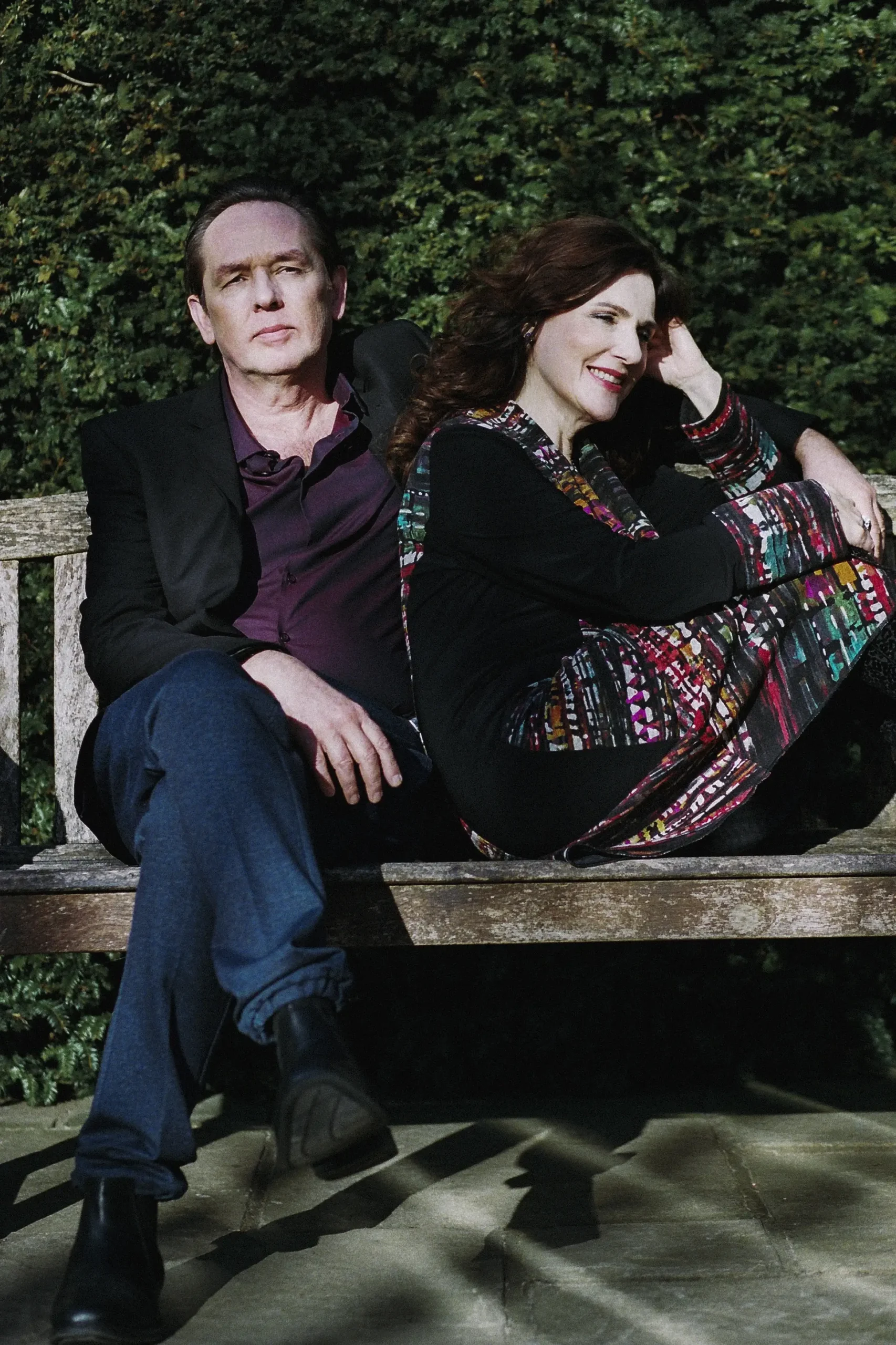
With recent album ‘Pertinax’, Suris, composed of Lindsey and David Mackiemade a record that was almost embarrassingly earnest. It didn’t wink at you. It didn’t sound like it was written by a committee trying to forecast next week’s Spotify trend. It just existed, lush and vulnerable, the sound of two people who actually cared. The result felt old-fashioned in the best way: proof that sincerity can still be punk if you mean it.
Now, with Rare Brew, the Mackies return; not with a sequel, but something closer to an anthology. It’s a re-release of the songs that have lingered in their catalogue for years, now remastered with the kind of attention only artists who’ve lived inside their own work can give. It’s an album about growth, but not the measurable kind. Think of it as a retrospective filtered through time, emotion, and sharper mastering tools.
If Pertinax was about resilience and holding on when everything’s collapsing, Rare Brew is about reflection: looking back at what you made and realizing it still matters. The title isn’t subtle, and that’s the point. This is an album that knows it’s an acquired taste and refuses to apologize for it.
The opener, “Astrosurf,” sounds like a hymn for people who no longer believe but still miss the feeling. It’s baroque-pop in the Kate Bush sense; grand, theatrical, and just weird enough to be funny. There’s a gospel undertone beneath the synths, a ghostly choir humming from another room. Lindsey’s vocals hover between prayer and performance, while Dave builds a soundscape that feels both ancient and digital; like Fleetwood Mac discovering MIDI in the Renaissance. It’s a dense, intoxicating first sip.
Then comes “This Is The City,” the musical equivalent of a perfectly tailored coat hiding pockets full of anxiety. On the surface, it’s smooth; sophisti-pop chords, funk guitars that would make early Maroon 5 jealous, but underneath, something’s twitching. It’s the sound of modernity with a hangover. The production feels lived-in, like walking through a city you know too well, where even the streetlights seem tired.
“Great Wide Open” is where Rare Brew hits its theatrical stride. Imagine Björk producing Phil Collins’ “In the Air Tonight” after reading too much eco-philosophy. The song builds and breaks like a wave, all reverb and revelation, leaving you suspended in a wash of sound that feels like an ending you didn’t see coming. It’s cinematic, but not in the “look, we’ve got strings!” sense. It’s big because it believes it’s allowed to be.
After that widescreen moment, “Scaur Bank” brings things back to intimacy. Piano, voice, and the kind of lyricism that doesn’t bother to explain itself. Lindsey sings like she’s thinking out loud, and Dave’s guitar replies like an old friend who knows when to fill the silence. It’s small in scale but huge in feeling; the kind of song that sneaks up on you three listens later and stays there.
By “Absolute Zero,” the album’s quiet rebellion fully lands. It plays like a love letter to Fleetwood Mac written by people who understood the sadness behind the California sheen. The melody feels familiar, like something you’ve half-remembered from another life, but the production resists nostalgia; minor chords that never quite resolve, harmonies slightly out of focus. It’s the sound of watching a home movie and realizing you don’t remember being that happy.
And then there’s “Last Fish In The Sea.” Playful melody, aquatic imagery, whimsy on the surface, but listen closely and it’s heartbreak in disguise. Imagine Stevie Nicks singing “Part of Your World” after reading too much climate science. The track feels like a fairy tale drowning in its own metaphor. Lindsey’s voice carries the ache of someone who still wants to believe in magic but knows it’s probably gone extinct. It’s quietly devastating.
The closer, “All Over Again,” ties it all together with cruel symmetry. Jangle-pop wrapped around melancholy; a deceptively upbeat song about emotional recursion, about making the same mistakes because they’re the ones that still feel real. The guitars shimmer, the rhythm sways, and just as catharsis approaches, it ends; not abruptly, but like someone turning off the light mid-sentence. It’s not despair; it’s restraint.
What makes Rare Brew special isn’t just the songwriting or polish; it’s the refusal to pretend. You can hear the years in these recordings: the imperfections, the moments where emotion beats technique, the sense that these songs were made because they had to be. Every track carries fingerprints.
Where Pertinax was about standing firm, Rare Brew is about what follows; the quiet confidence of artists who no longer need to prove anything. The Mackies aren’t chasing relevance; they’re documenting a process. You can hear the dialogue between their past and present selves in every mix, every newly opened frequency range.
Dave’s remastering doesn’t sanitize the recordings; it reveals their bones. The mix has air, depth, time. Lindsey’s rich, textured, unmistakably human voice sits at the center, not as performance but as presence. It’s as if the album itself is breathing again.
Ultimately, Rare Brew isn’t about nostalgia so much as endurance. While everyone else is busy making clever music about detachment, Suris are writing songs about feeling too much and meaning it. That’s the trick of Rare Brew. It’s not rare because it’s hard to find. It’s rare because it’s honest.
Follow Suris
About the Author
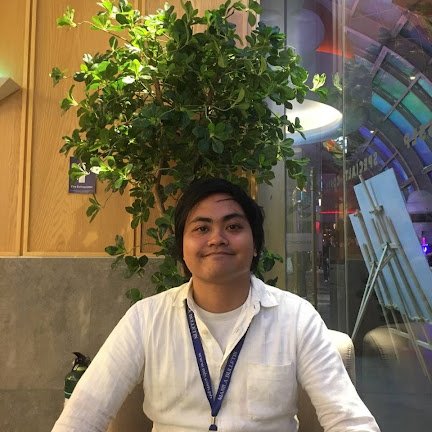
A tenured media critic known working as a ghost writer, freelance critic for various publications around the world, the former lead writer of review blogspace Atop The Treehouse and content creator for Manila Bulletin.